
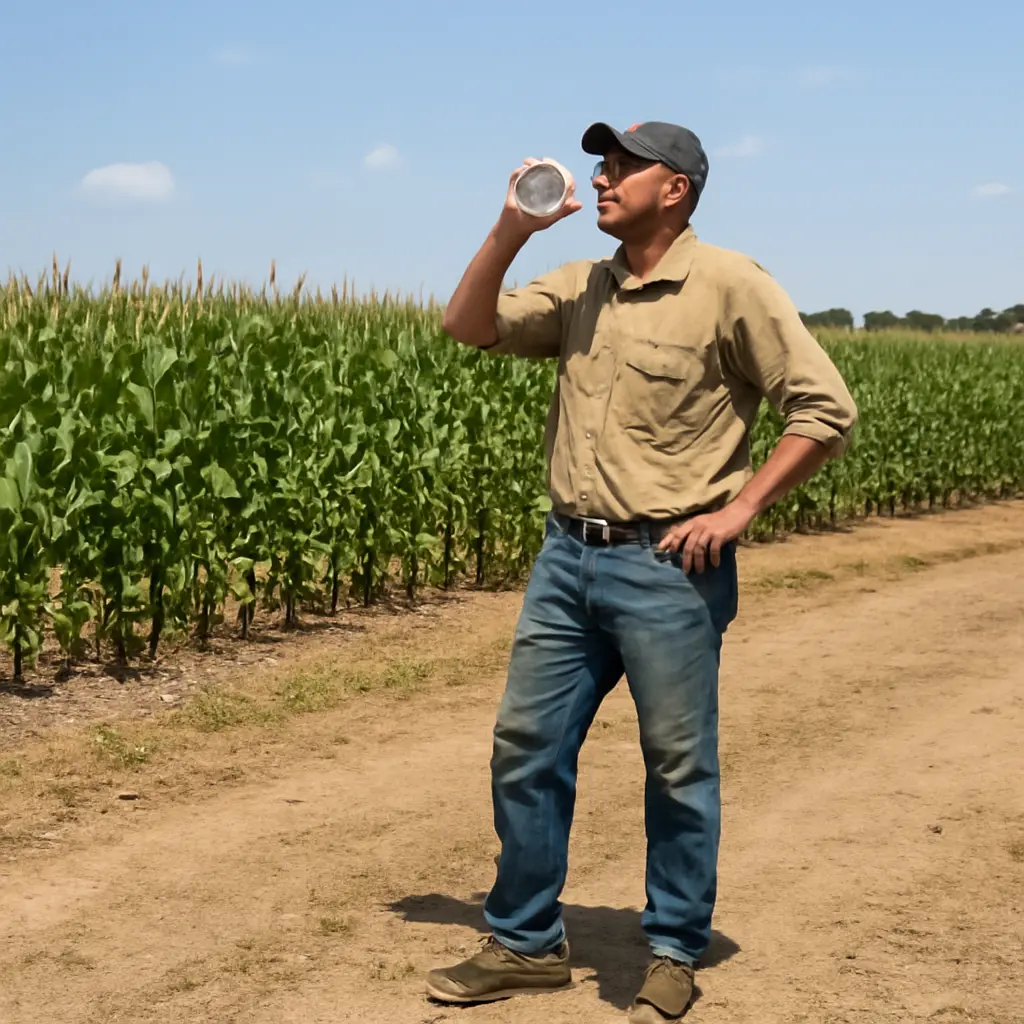
Farm work is the paid or unpaid labor involved in producing crops and raising livestock, from planting and harvesting to tending animals and packing produce. What many workers wish they had known about the grind is that the job’s hardest demands are often cumulative: long and changeable hours, repetitive physical strain, heat exposure, transportation and housing challenges, and uncertainty about pay or employment. The U.S. Bureau of Labor Statistics reported a median annual wage of $35,980 for agricultural workers in May 2023, while federal surveys and research document substantial occupational risks, including heat-related illness and injury. Understanding those realities—and the protections, planning strategies, and support systems available—can help workers, families, employers, and communities make farm work safer and more sustainable.
The daily grind of farm work: what the job actually demands
“Farm worker” is a broad occupational label, not one uniform job. The U.S. Bureau of Labor Statistics (BLS) describes agricultural workers as people who perform tasks related to growing crops, raising livestock, and maintaining agricultural operations. The work can be seasonal or year-round, outdoors or indoors, paid by the hour or through production-based arrangements, and physically very different from one farm or region to another.
That variety can hide the cumulative workload. A worker may bend, lift, carry, kneel, reach, or repeat the same hand movements for hours. Harvest schedules can change with weather and crop conditions, and a day’s work may begin before sunrise or extend when produce must be picked quickly. The practical lesson experienced workers often emphasize is to ask about the actual tasks, pace, schedule, pay calculation, and conditions—not just the job title.
Seasonal, crop, and livestock work are not interchangeable
Crop work can include field preparation, planting, thinning, pruning, spraying, harvesting, and packing. Livestock work may involve feeding, cleaning, handling animals, and monitoring their health, often on a schedule that does not pause for weekends or bad weather. Greenhouse and nursery jobs can involve repetitive work in warm, humid spaces, while packing operations may mean prolonged standing and fast-moving production lines. These are hyponyms—or specific kinds—of agricultural labor, each with different hazards and routines.
Before accepting a position, workers can ask which tasks they will perform, whether duties rotate, what equipment is provided, and how the work changes during peak season. A position described as “harvest work,” for example, may include carrying full containers, working on ladders, or handling equipment. Knowing those details ahead of time makes it easier to judge physical demands and prepare appropriately.
Hours, pace, and pay deserve early clarification
The BLS reported a median annual wage of $35,980 for agricultural workers in May 2023; this is an occupation-wide figure, not a promise of what a particular worker will earn. Actual income can vary with location, crop, experience, hours, and whether compensation is hourly or tied to output. A high hourly or piece-rate estimate may not reflect unpaid waiting time, weather interruptions, transportation costs, or weeks without work.
Workers should find out how hours are recorded, when and how wages are paid, what deductions may appear, and whether there is a minimum guaranteed rate. The U.S. Department of Labor’s Wage and Hour Division explains that federal wage protections apply to many agricultural employees, though coverage and rules can depend on the circumstances and exemptions. Keeping personal notes of dates, hours, tasks, and payments can help workers check that their records match their pay.
Farm-work hazards: heat, injury, and cumulative strain
The grind is not only tiring; it can also be hazardous. The National Institute for Occupational Safety and Health (NIOSH) identifies agriculture as a high-risk industry, with risks that include machinery incidents, falls, animal-related injuries, exposure to chemicals, and heat. The Centers for Disease Control and Prevention (CDC) notes that workers doing strenuous activity in hot conditions can develop heat-related illness, especially when they lack adequate water, rest, shade, or time to acclimatize.
The risks often overlap: long shifts can increase fatigue, repetitive motions can aggravate pain, and high temperatures can make demanding tasks more dangerous. A safer plan therefore considers the whole workday, not just a single hazard. Workers should learn the farm’s emergency procedures, know whom to tell about unsafe conditions, and understand how to stop work or seek help if symptoms or immediate dangers arise.
Heat stress and dehydration
Heat stress occurs when the body cannot cool itself adequately. Warning signs may include headache, dizziness, nausea, unusual weakness, heavy sweating, or confusion; confusion or collapse can signal a medical emergency. OSHA recommends access to water, rest, and shade as core heat-prevention measures, along with training and procedures for responding to symptoms.
Workers new to hot-weather tasks may need time to acclimatize rather than immediately performing at full intensity. They can ask where drinking water and shaded rest areas are located, what the heat-response plan is, and how a supervisor wants symptoms reported. A coworker system—checking on one another during hot shifts—can help identify problems early, but it does not replace an employer’s responsibility to provide a safe workplace.
Repetitive motion, lifting, and fatigue
Repetitive work can strain muscles and joints even when each individual movement seems manageable. Reaching overhead, bending for prolonged periods, carrying uneven loads, and gripping tools for hours can contribute to pain or injury. Fatigue may also affect attention and coordination, increasing the chance of mistakes around vehicles, machinery, ladders, or animals.
Where possible, workers can ask about task rotation, safe lifting practices, mechanical aids, suitable gloves and footwear, and reporting procedures for early symptoms. Reporting discomfort before it becomes severe may allow a task or technique to be adjusted. Workers should not assume that pain is simply an unavoidable part of the job or that protective equipment is appropriate without checking fit and use instructions.
Machinery, chemicals, animals, and other site-specific risks
A farm’s hazards depend on its operations. Tractors and other machines create risks around moving parts, vehicles, and rollovers; pesticides and other agricultural chemicals require careful handling; livestock can kick, bite, crush, or behave unpredictably. OSHA and NIOSH guidance emphasizes training, appropriate protective equipment, safe operating procedures, and access to hazard information.
Before starting a task, workers can ask what training is required, which equipment is safe to operate, where chemical labels and safety data are kept, and what to do after a spill or injury. No one should operate unfamiliar machinery or handle a chemical without being instructed and equipped to do so. If a hazard is immediate, workers should follow site emergency procedures and seek help rather than improvising.
Practical preparation: what experienced workers wish they had asked
Preparation does not remove the difficulty of farm work, but it can prevent avoidable surprises. The most useful questions cover the contract or offer, transportation, housing, protective equipment, training, and access to medical care. These details matter particularly for people traveling for seasonal employment, who may arrive in an unfamiliar community with limited time to compare options.
Clarify the job and keep your own records
A written record helps workers understand what was offered and identify discrepancies. Before work begins, ask for the employer’s name and contact information, job location, expected dates, task description, pay method, schedule, and any deductions or fees. Keep copies of documents and track hours, workdays, payments, and significant changes. These habits are useful whether pay is hourly, salaried, or based on production.
For migrant and seasonal agricultural workers covered by the Migrant and Seasonal Agricultural Worker Protection Act, the U.S. Department of Labor describes requirements related to disclosures, wages, housing, transportation, and recordkeeping. Coverage depends on the worker, employer, and situation, so workers who are unsure can contact the Department of Labor or a qualified worker-support organization for guidance.
Plan for transportation, housing, and the off-season
The job’s real cost includes more than food and rent. Transportation to fields, access to groceries and health care, housing conditions, and the timing of the next season can shape whether earnings are sufficient. Workers should ask what housing costs, what is included, how far the worksite is, who provides transportation, and whether they can leave or access services independently.
Seasonal work can also mean uneven income across the year. A realistic budget can account for gaps between jobs, travel, medication, childcare, and unexpected expenses. Workers may also ask about eligibility for unemployment insurance or other public benefits; rules vary by state, employment history, and immigration or work status, so local agencies or legal-aid organizations are better sources for individual advice than assumptions from coworkers.
Know where to find help and how to report concerns
Workers should know how to contact emergency services, a supervisor, a clinic, and a trusted person outside the workplace. The U.S. Department of Labor’s Wage and Hour Division handles questions and complaints about federal wage and hour protections, while OSHA receives workplace safety concerns. State labor agencies and agricultural worker organizations may provide additional help, including language-accessible information and referrals.
If workers fear retaliation, have trouble communicating, or are uncertain which rules apply, a worker center, legal-aid provider, or community health organization may help explain options confidentially. For an immediate medical emergency, call emergency services. The right contact depends on the issue and location, so keeping a short list of local resources before a crisis can save time.
A safer and more sustainable farm-work future
Farm workers’ experiences show why “the grind” should not be treated as a personal endurance test. The job’s demands are shaped by scheduling, pay practices, training, equipment, housing, transportation, and access to water and rest. Employers can reduce risk through clear communication, hazard-specific training, appropriate protective equipment, heat-safety plans, and systems that make it possible to report problems without fear.
For workers considering or already doing agricultural work, the most useful early steps are to clarify the work and pay, document hours and payments, learn the safety plan, and identify trusted sources of support. For readers who want to help, supporting worker-led organizations and advocating for safe conditions and fair labor standards are practical ways to contribute. Better information before the first shift can make a demanding job less unpredictable—and help ensure that the people who grow and harvest food are protected while doing it.
Sources: U.S. Bureau of Labor Statistics, “Agricultural Workers,” Occupational Outlook Handbook, https://www.bls.gov/ooh/farming-fishing-and-forestry/agricultural-workers.htm; U.S. Department of Labor, Wage and Hour Division, “Agricultural Workers,” https://www.dol.gov/agencies/whd/agriculture; U.S. Department of Labor, Wage and Hour Division, “Migrant and Seasonal Agricultural Worker Protection Act,” https://www.dol.gov/agencies/whd/agriculture/mspa; National Institute for Occupational Safety and Health, “Agriculture,” https://www.cdc.gov/niosh/agriculture/; Centers for Disease Control and Prevention, “Heat Stress and Health,” https://www.cdc.gov/niosh/heat-stress/about/index.html; Occupational Safety and Health Administration, “Heat—Exposure Prevention,” https://www.osha.gov/heat-exposure/water-rest-shade.